Almost everyone who says they cannot meditate is describing the same experience. They sat down, tried to empty their mind, found it full of the shopping and an argument from 2019, concluded they were doing it wrong, and stopped.
They were not doing it wrong. They were given the wrong instruction.
The instruction is not "stop thinking"
This is the whole misunderstanding and it is worth stating flatly.
You cannot stop thinking. Nobody can. Not beginners, not people on ten-day retreats, not monks. A brain produces thoughts the way a heart produces beats. Sitting down and demanding that it stop is like sitting down and demanding that you stop digesting.
What the practice actually asks is much narrower: put your attention somewhere, notice when it has wandered off, and bring it back.
That is it. That is the entire technique.
The bit everyone gets backwards
Here is the part that changes how the practice feels.
Noticing that you have wandered is not the failure. It is the repetition.
If you sit for ten minutes and your attention drifts forty times and you notice and return forty times, you have not had a bad session. You have done forty repetitions of the only exercise there is. The person whose mind wandered twice did four.
Once you understand that, a wandering mind stops being evidence against you. It is the raw material. A session with no wandering would offer nothing to practise on.
Why it feels worse when you start
Two reasons, and both are misread as failure.
You are not thinking more, you are noticing more. Your mind has been this busy all day. Sitting still is simply the first time you have watched it. People routinely quit at exactly the moment the practice starts working, because they mistake the new visibility for a new problem.
Stillness lets held things surface. Boredom, irritation, restlessness, and sometimes something heavier. This is normal and it settles. If what surfaces is consistently distressing, that is worth taking to a therapist rather than pushing through alone — meditation is not a treatment for trauma and can be the wrong tool.
Start absurdly small
The standard failure is deciding to meditate for twenty minutes daily, managing three days, and abandoning it.
Start with three minutes. Genuinely three. Long enough to be real, short enough that skipping it is not defensible.
Do three minutes daily for two weeks before increasing anything. Consistency at three minutes beats sporadic twenty-minute sessions by a wide margin, because what you are building is a habit, and habits are built by repetition rather than duration.
Things to put your attention on
If the breath does not work for you — and for a lot of anxious people, watching the breath makes them anxious about the breath — use something else. The technique does not care what the anchor is.
The breath at the nostrils. The classic. Attend to the sensation of air at the edge of the nose. Do not control the breathing.
Counting breaths. One on the out-breath, up to ten, start again. Lost count? Start at one. More structured, and much easier for busy minds.
Sound. Sit and let sounds arrive without naming or judging them. In Beirut this is a rich and never-empty field, and it turns traffic into the object of practice rather than an obstacle to it.
The body. Move attention slowly from feet to head, noticing sensation. Very grounding, hard to get lost in.
Your hands. Rest attention on the physical sensation of your palms. Unfashionable, unusually effective, and always available in a meeting.
A walk. Attention on the soles of your feet contacting the ground. Fully legitimate meditation and much easier for people who cannot sit.
Practical setup
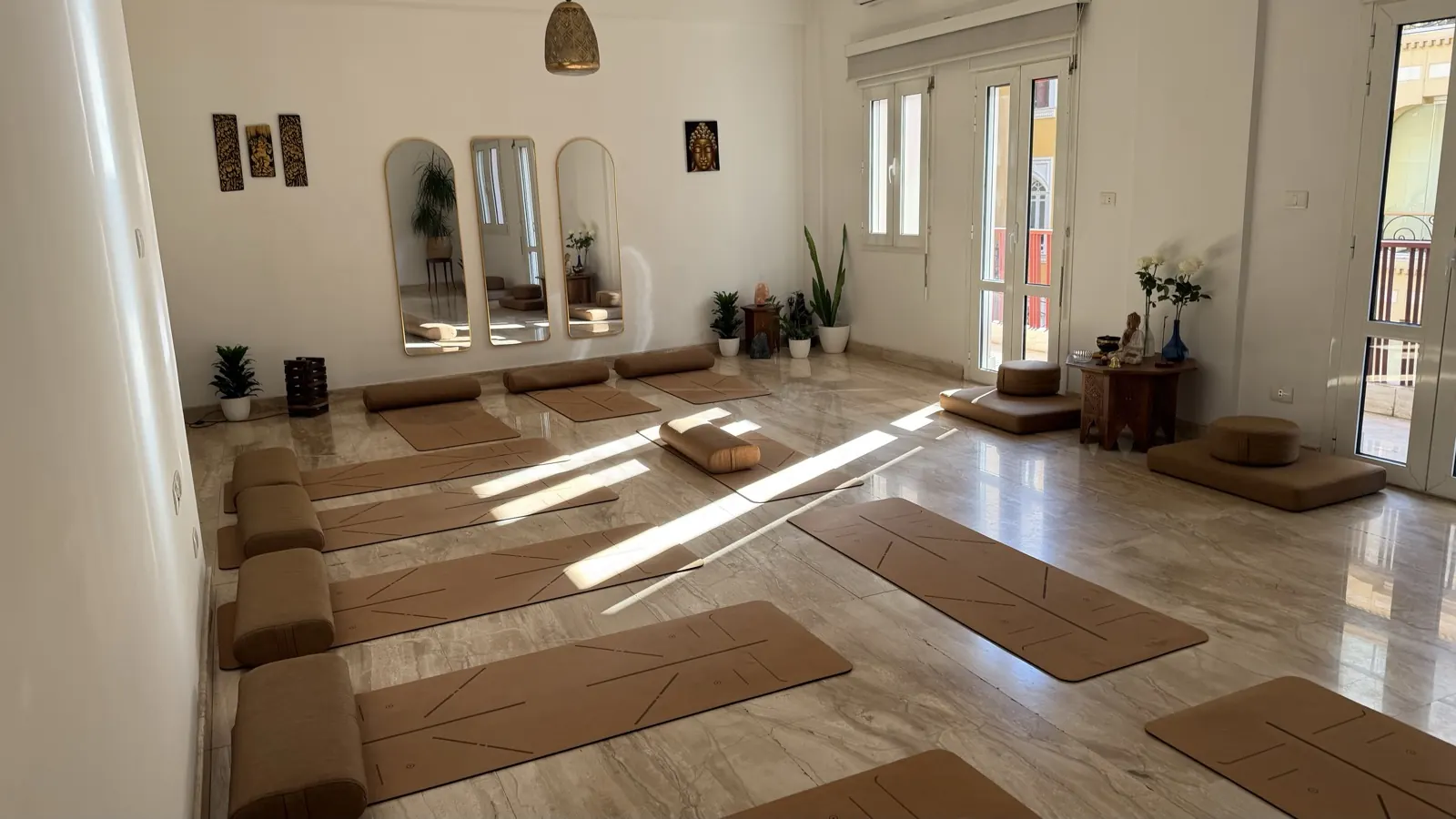
Sit upright but not rigid. A chair is completely fine — feet flat, back not slumped. Nobody needs to sit cross-legged on the floor, and doing so uncomfortably is a distraction, not a virtue.
Eyes closed, or open with a soft downward gaze. Whichever leaves you less prone to drifting off. Open is better if you are sleepy or if closed eyes make you uneasy.
Same time each day. Attached to something you already do — after brushing your teeth, before the first coffee. The habit needs a hook.
Use a timer so you are not wondering how long is left.
Guided or unguided?
Start guided. A voice gives you something to follow and removes the question of whether you are doing it right. Free apps and recordings are plentiful and genuinely good.
Move to unguided when the voice starts feeling like an interruption. Some people never do, and that is fine.
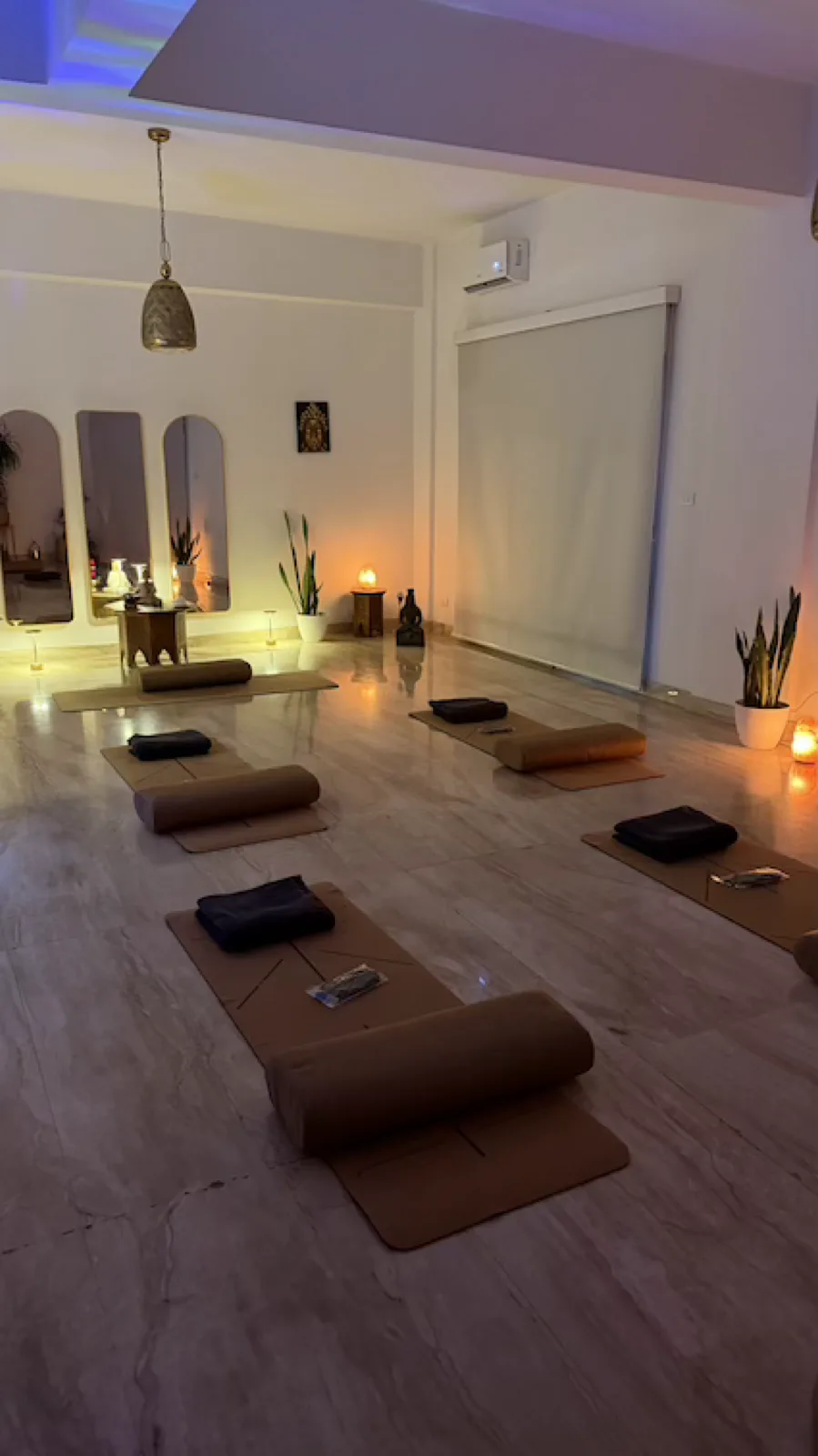
Coming to a group session at least once is worth it for a different reason: sitting in a room where six other people are also failing to stop thinking is unexpectedly reassuring, and you can ask questions afterwards.
What to expect, and when
Weeks one to two: it feels pointless and you will be certain you are bad at it. Universal. Keep going, at three minutes.
Weeks three to six: occasional moments of genuine settling. Not every session. You will start noticing your own reactivity slightly earlier during the day, which is the first real sign of transfer.
Beyond that: the gains are less about the sitting and more about a small gap opening between something happening and your reaction to it. That gap is the whole point of the practice and it grows quietly.
Nothing dramatic. Anyone promising transformation in a fortnight is selling.
What it will not do
It will not treat depression, anxiety disorders or trauma. It can sit usefully alongside treatment, and there is real interest in it clinically, but it is not a substitute for a therapist or for medication, and any teacher suggesting you reduce either is out of their depth.
It will not make you calm all the time. It makes you slightly less carried off by things. That is a smaller claim and a truer one.
One thing you can do today
Set a timer for three minutes. Sit however you are sitting now. Put your attention on the feeling of your hands.
When you notice you have wandered off — and you will, repeatedly — simply come back to your hands. Every single return counts.
Then do it again tomorrow. That is the practice, and there is nothing else to it.