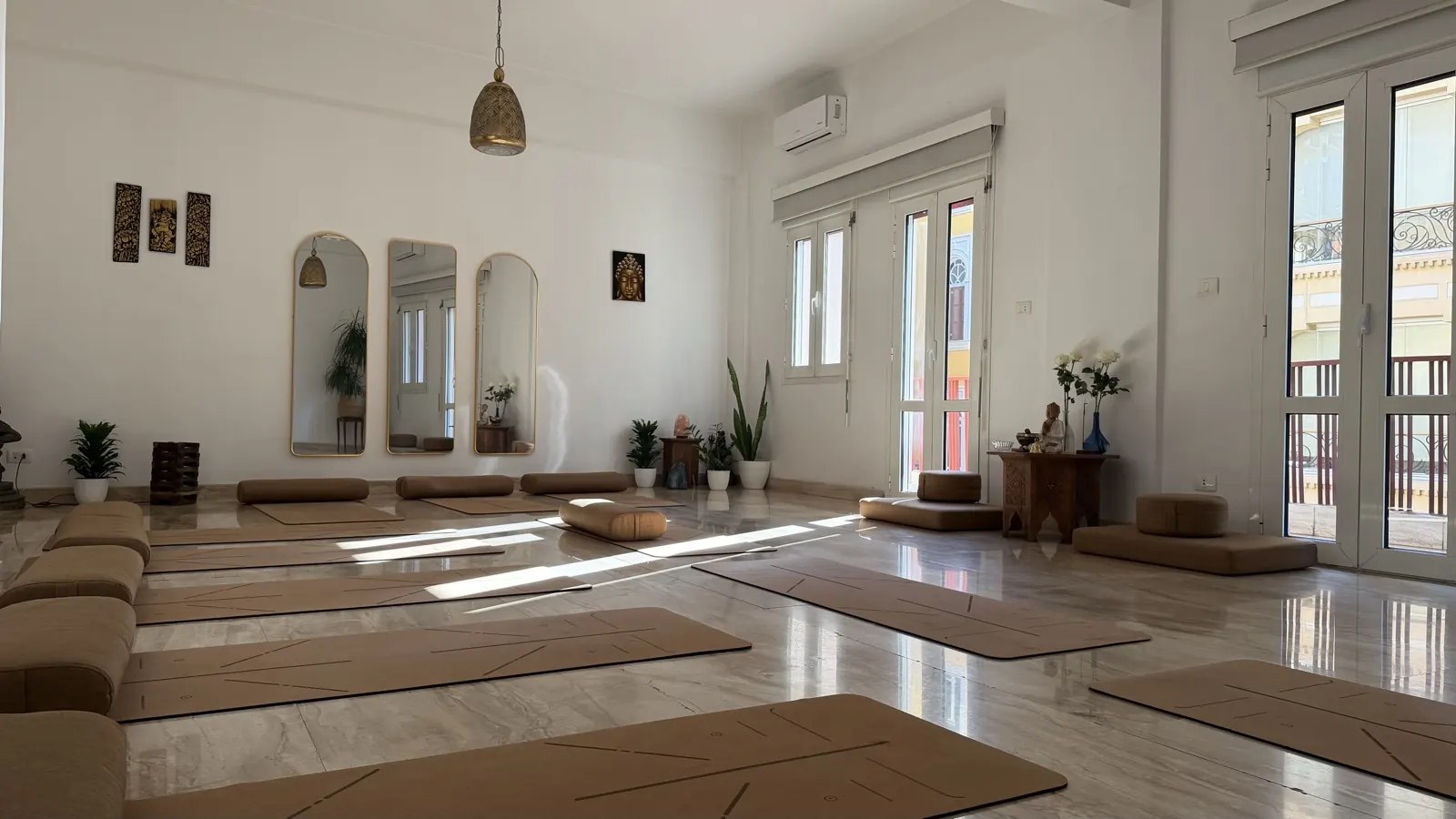
Autumn in Beirut has a particular shape. The summer crowd thins out, school runs and work schedules snap back into place, and the ordinary background noise of living here - traffic, the bills, the cuts, the news - returns to full volume. Stress management coaching exists for exactly that stretch: not a crisis, but a weight that has quietly become permanent.
Who this is not for
Start here, because it matters more than anything that follows.
Stress management coaching is not a treatment for anxiety disorders, depression, panic disorder or trauma. If you are living with persistent low mood, panic attacks, intrusive memories, or any thoughts of harming yourself, the right next step is a doctor or a therapist, not a coach. A good coach asks about these things early and refers you on rather than takes your money.
It is also not for someone who mainly needs their circumstances changed rather than their response to them. If the real issue is a job that should be reported, a relationship that should end, or a financial problem that needs a professional, coaching will not stand in for that step - though it can help you finally take it.
How it differs from life coaching
The studio also offers general life coaching, and the two overlap enough to be confusing.
Life coaching is broad: a decision, a direction, a pattern you want to change over time. Stress management coaching is narrower and more immediate. It starts from a specific question - what is actually triggering this, physically and in your week - and works toward tools you can use the same day, rather than a longer process of figuring out what you want.
Think of it as less "where is my life going" and more "why do I feel like this by Wednesday, and what do I do about it."
What a session actually looks like
A session runs about an hour, one to one, in person at the studio.
The first session maps your stress rather than your life story: when it spikes, what it feels like in the body, what you have already tried, and what a calmer week would actually look like for you specifically. Generic advice is easy to find online; the point of a session is that it is built around your triggers, not a list.
From there, the work is practical. Identifying the situations, people or times of day where stress reliably builds. Noticing the early physical signs before they become a full reaction - a tight jaw, shallow breathing, a short temper - because tools work far better caught early than once you are already overwhelmed. Building two or three techniques that fit your actual day, not an idealised one with an hour free for yoga.
Sessions often draw on breathing techniques, the kind this studio also teaches as standalone breathwork, but the coaching itself is about identifying your pattern and building the habit around it, not the breathing exercise alone.
What people actually work on
Deadlines and a job that does not let up. A household running on a schedule that leaves no slack. The low, constant hum of uncertainty that is simply part of living in Lebanon right now, which does not go away with a breathing exercise but can be carried differently. Sleep that has quietly gone bad. Snapping at people who do not deserve it.
None of this needs to be dramatic to be worth addressing. Most people start not because of one bad event but because the ordinary load stopped easing off between events.
What to expect over time
Early sessions can feel like very little has changed, because the work is mostly noticing - catching the tight jaw before the headache, the clipped tone before the argument. That noticing is the actual progress, even though it does not feel like one.
Most people work in a short block, often four to six sessions, rather than open-endedly. By the end, the aim is not a stress-free life - nobody is offering that - but a shorter gap between things building up and you doing something about it.
What it will not do
It will not remove the sources of stress in Beirut that are genuinely outside your control. It will not replace therapy if what you are carrying is clinical or longstanding. And it is not a single fix: a good session gives you something to practise, and the practising is what does the work, not the hour itself.
Something to try today
Notice the next time you feel your shoulders creep up or your jaw tighten. Do not fix it yet. Just name, in one word, what was happening in the thirty seconds before - a message, a sound, a thought, a person.
That is the whole exercise: catching the trigger rather than only the symptom. Do it three times today, and you will already know more about your own pattern than most people learn in a year of being stressed at it.
Stress management coaching at Rise Flow Heal is a one-to-one, in-person session with Reind at our studio in Tabaris, Beirut. If you are not sure whether coaching or therapy is the right fit for what you are carrying, message us and describe what is going on - we will tell you honestly.